
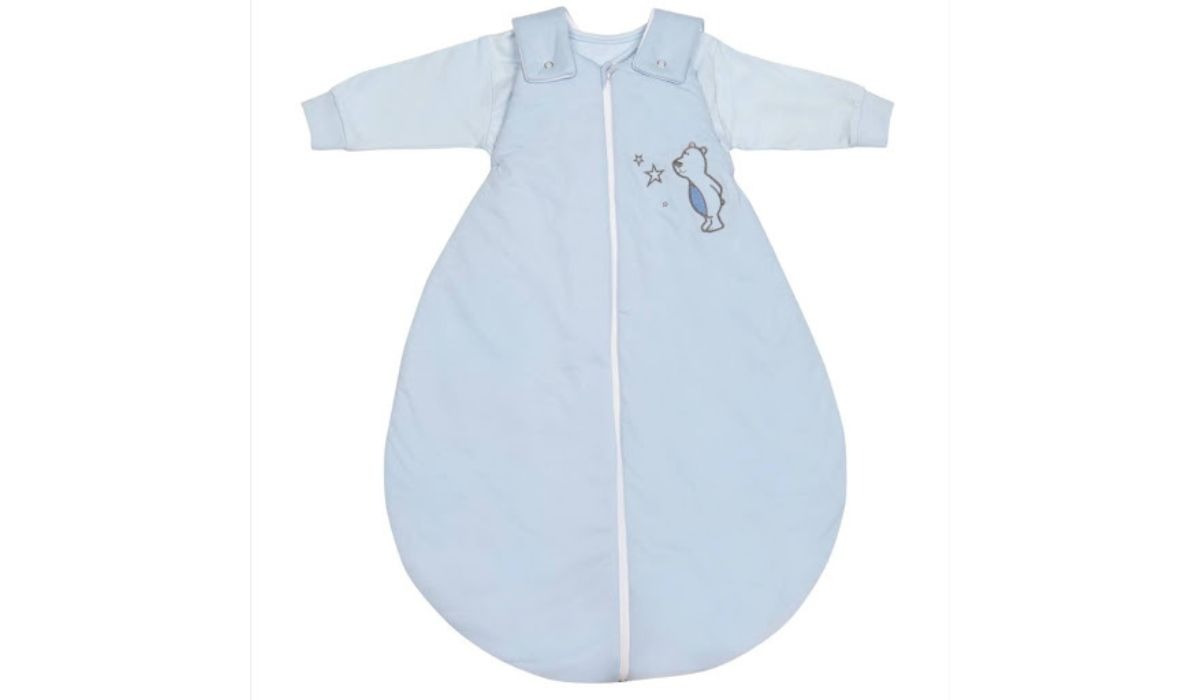
A peaceful night’s sleep is essential not only for adults but also for babies. Ensuring that your little one is safe, warm, and comfortable during sleep is a top priority for every parent. One of the best solutions for achieving this is the baby sleeping bag( schlafsack babys ), also known as a Schlafsack Babys.
Baby sleeping bags are designed to provide a secure and cozy sleeping environment while reducing the risks associated with loose blankets. In this guide, we will explore everything you need to know about baby sleeping bags, including types, benefits, safety tips, and buying advice.
What is a Baby Sleeping Bag?
A baby sleeping bag is a wearable blanket that replaces loose sheets or blankets in a crib. Unlike traditional bedding, which can slip over a baby’s head and pose a risk of suffocation, a sleeping bag stays securely around your baby, keeping them warm without restricting movement.
They come in various sizes, materials, and designs, making it easy to find one that suits your baby’s age, sleep patterns, and the climate you live in.
Benefits of Using a Baby Sleeping Bag
- Safety First
Loose blankets in cribs are a common cause of accidental suffocation or sudden infant death syndrome (SIDS). Baby sleeping bags eliminate this risk by keeping the bedding secure.
- Temperature Regulation
Most sleeping bags are made from breathable fabrics like cotton or bamboo. This helps maintain an ideal temperature, preventing overheating while keeping your baby warm.
- Comfort & Mobility
Unlike swaddles that can restrict movement, sleeping bags allow babies to move their arms and legs freely while still feeling snug and secure.
- Convenience for Parents
With a sleeping bag, nighttime diaper changes become simpler, especially if it comes with a bottom zipper. You no longer have to completely unwrap your baby to change them.
- Consistency in Sleep Routine
A familiar sleeping bag can help signal bedtime, encouraging better sleep habits from an early age.
Types of Baby Sleeping Bags
Baby sleeping bags come in various styles and designs, tailored for different ages and seasons:
- Lightweight Sleeping Bags
Perfect for summer or warmer climates, these sleeping bags are made of breathable cotton or muslin.
- Medium-Weight Sleeping Bags
Ideal for spring or autumn, they provide moderate warmth without causing overheating.
- Winter Sleeping Bags
Made from thicker fabrics or layered materials, these are perfect for cold climates. Some even come with thermal insulation for extra warmth.
- Swaddle Sleeping Bags
Designed for newborns, these combine the comfort of swaddling with the safety of a sleeping bag, giving your baby a sense of security while allowing gentle movement.
How to Choose the Right Sleeping Bag for Your Baby
When choosing a baby sleeping bag, consider the following factors:
- TOG Rating
The TOG (Thermal Overall Grade) rating indicates how warm the sleeping bag is.
- 0.5–1 TOG: Summer or warm climates
- 1–2.5 TOG: Spring/Autumn
- 2.5–3.5 TOG: Winter or cold climates
- 0.5–1 TOG: Summer or warm climates
- Size
Sleeping bags come in different sizes according to age and weight. Choosing the correct size ensures comfort and safety. A bag that is too large can be unsafe, while a small one may restrict movement.
- Material
Soft, breathable fabrics like organic cotton or bamboo are gentle on a baby’s delicate skin and prevent overheating.
- Ease of Use
Look for sleeping bags with convenient zippers, snaps, or adjustable shoulders for easy diaper changes and dressing.
- Safety Features
Check that zippers are covered to avoid scratches, and that seams and edges are smooth and non-irritating.
Tips for Using a Baby Sleeping Bag Safely
- Always place your baby on their back to sleep.
- Avoid additional blankets, pillows, or stuffed toys in the crib.
- Choose a sleeping bag appropriate for room temperature and season.
- Ensure the bag is properly fitted around the shoulders and neck, leaving enough room for legs and arms.
- Regularly check your baby’s temperature to prevent overheating.
Popular Baby Sleeping Bag Brands
While there are many options, some of the most trusted brands include:
- Grobag – Known for high-quality materials and safety certifications.
- Love to Dream – Specializes in swaddle-style sleeping bags for newborns.
- Carter’s – Offers affordable, durable, and cute designs for babies.
- Joolz & Aden + Anais – Luxury options with premium fabrics and stylish designs.
Caring for Your Baby Sleeping Bag
- Washing Instructions
Always follow the manufacturer’s care label. Most cotton sleeping bags are machine washable, while some delicate fabrics may require gentle cycles.
- Regular Checks
Inspect for loose threads, broken zippers, or worn-out fabric that could pose safety hazards.
- Storage
Store unused sleeping bags in a dry, ventilated area to prevent mold or fabric damage.
Frequently Asked Questions (FAQ)
Q1: At what age can my baby start using a sleeping bag?
A: Sleeping bags can be used from newborn stage up to toddlerhood. Ensure the size matches your baby’s age and weight.
Q2: Can I use a sleeping bag in a crib or bassinet?
A: Yes, sleeping bags are suitable for both cribs and bassinets. Make sure the bag fits well and does not leave gaps.
Q3: How do I know if my baby is too hot or too cold?
A: Check your baby’s neck or back. If sweaty or red, they may be too hot. If cool to the touch, add a layer or choose a higher TOG rating.
Q4: Are sleeping bags better than blankets?
A: Yes. Sleeping bags reduce the risk of SIDS by eliminating loose bedding while keeping your baby warm and comfortable.
Q5: Can I use a sleeping bag with a swaddled baby?
A: Swaddle sleeping bags are available for newborns. For older babies who have outgrown swaddling, regular sleeping bags are recommended.
Disclaimer
The information provided in this article is for general informational purposes only and is not a substitute for professional medical advice. Always consult your pediatrician or healthcare provider regarding your baby’s sleep, safety, and clothing needs. Ensure any baby sleeping bag you use complies with relevant safety standards and guidelines